Development of novel control measures against ticks and mites
Ticks and poultry red mites (PRMs) are blood-sucking ectoparasites that are serious threats to public health and animal hygiene. We are currently working on the developing novel control measures against these ectoparasites.
Elucidation of Host Immune Regulatory Mechanisms by Ticks
Ticks remain attached to their hosts for several days to weeks while continuously feeding on blood. This prolonged blood-feeding is facilitated by a diverse array of bioactive molecules present in tick saliva that modulate host immune responses. Tick saliva–mediated immunosuppression is considered a critical factor promoting the establishment and transmission of tick-borne pathogens, including viruses, bacteria, and protozoa. Despite its biological importance, the cellular and molecular mechanisms underlying tick-induced immunomodulation remain incompletely understood.
Our research focuses on elucidating the immunomodulatory mechanisms of saliva from the cattle tick Rhipicephalus microplus. In particular, we investigate how tick saliva regulates the functions of T cells and antigen-presenting cells, including dendritic cells and macrophages. Our studies have demonstrated that tick saliva suppresses inflammatory T-cell responses while simultaneously driving dendritic cells and macrophages toward immunoregulatory phenotypes. Furthermore, using an experimental tick infestation model, we have shown that immunoregulatory macrophages and T cells producing anti-inflammatory cytokines accumulate at tick bite sites, resulting in the establishment of a localized immunosuppressive microenvironment.
By elucidating the mechanisms by which tick saliva modulates host immunity, our research aims to advance the fundamental understanding of parasite-mediated immune regulation and provide a foundation for the development of novel strategies to prevent and control tick-borne infectious diseases.
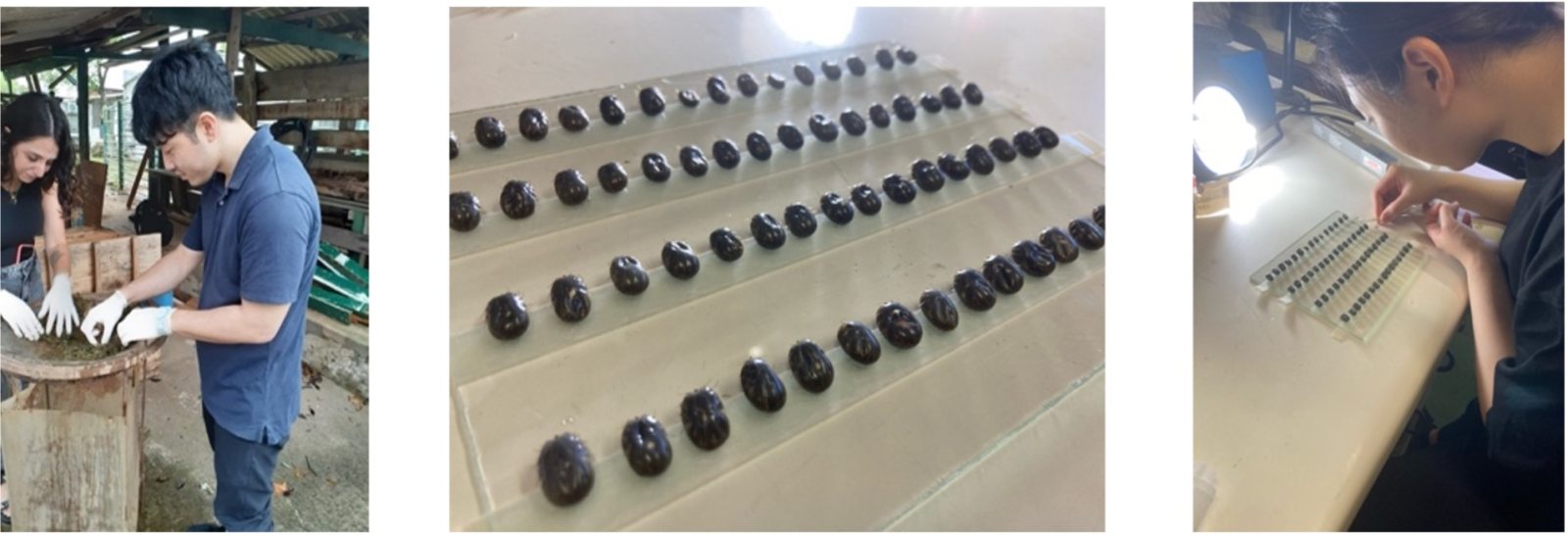
Tick saliva collection in Brazil
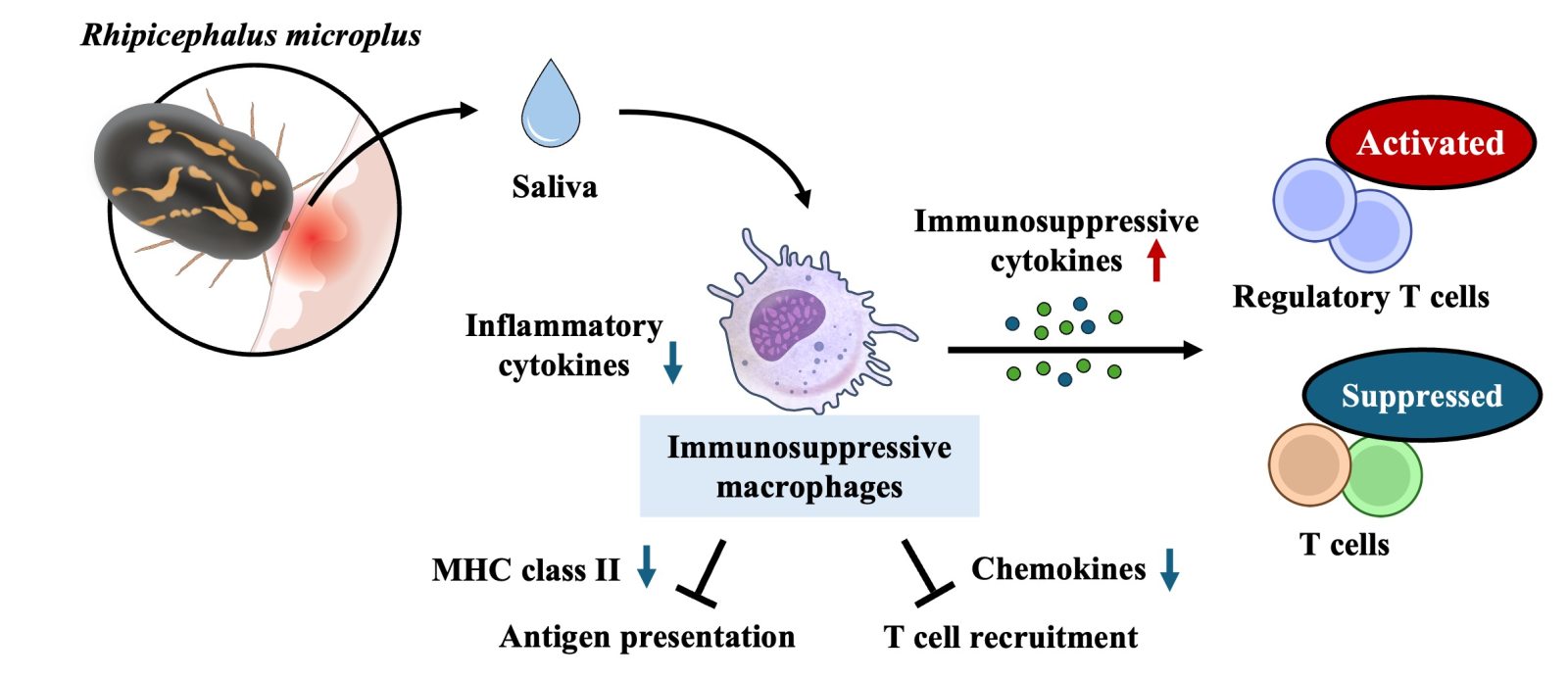
Mechanisms of tick saliva–mediated immunosuppression
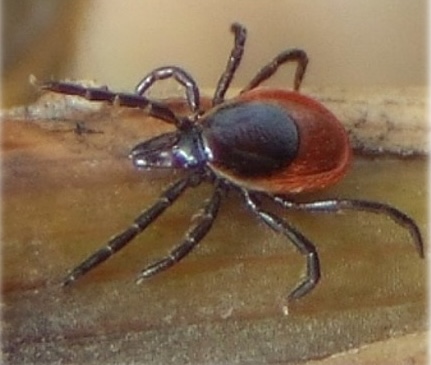
Ixodes persulcatus (adult, female)
Poultry red mite: its consequences and the vaccination strategy
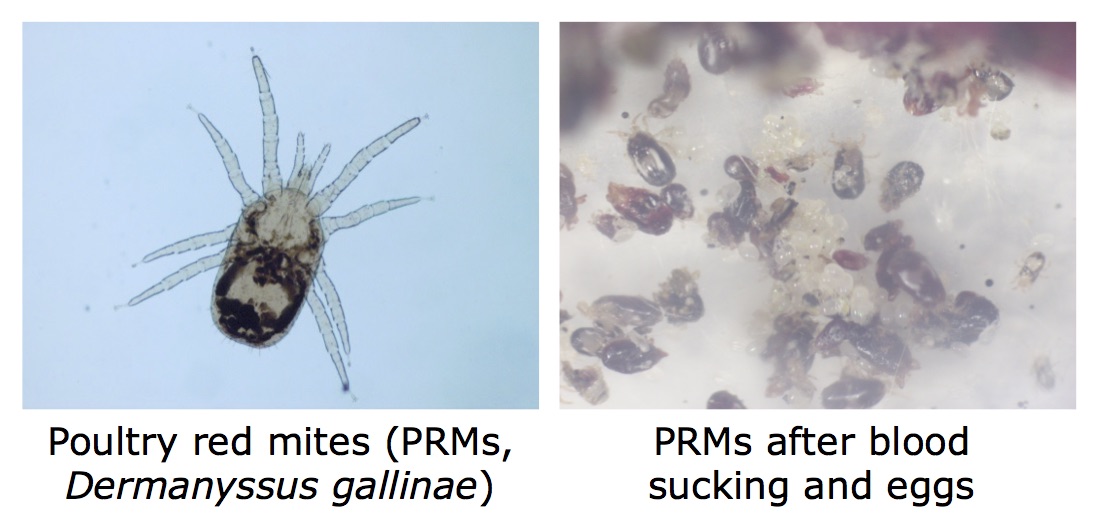
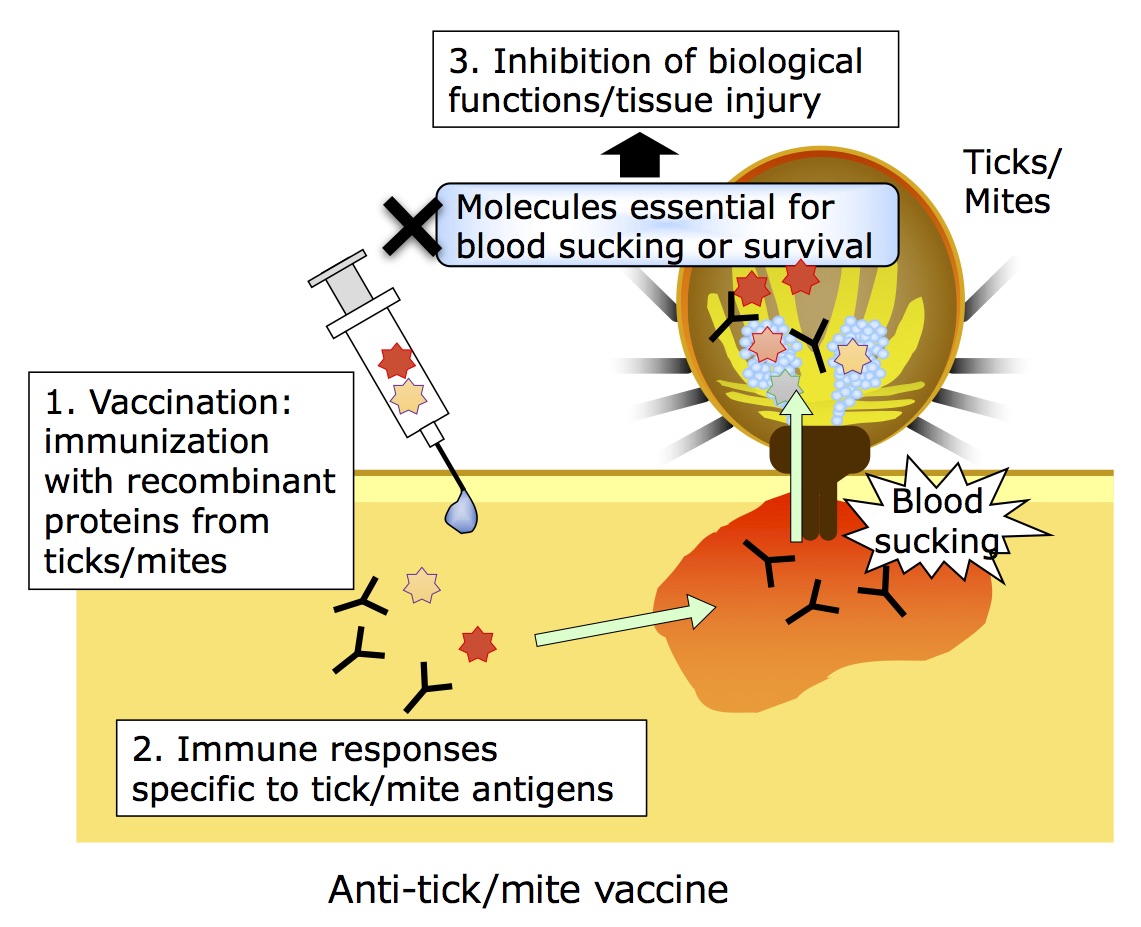
Poultry red mite (PRM; Dermanyssus gallinae) is hematophagous ectoparasite which infests poultry. Infestation of PRM causes anemia in chickens which causes reduced egg production and creates huge economic losses to poultry farming. It is also a potential risk factor in public health as it is potentially transmitting several pathogens. Currently, PRM is controlled by combination of cleaning the poultry houses and the use of acaricides, however, complete elimination is difficult because it often hides in cracks. More importantly, PRM has developed resistance to acaricides. Therefore, novel control measures that do not rely on the use of acaricides are required. Thus, we focused on the immune response of chickens and aimed to develop vaccine against PRM. Up to date, we have identified several molecules within PRM as vaccine antigen candidates. We are currently analyzing their functions, conducting immunization trials, and evaluating their anti-PRM efficacy. Through these, we aim to apply the candidate molecules as vaccine antigens.
In parallel to above, we are also exploring practical ways to vaccinate chickens. Since the large number of chickens are being raised in farms, it is necessary to develop a method that can enable us to vaccinate large numbers of chickens relatively easily. One promising approach is to use herpesvirus of turkey (HVT) as vaccine vector. HVT has been used a safe vaccine against Marek’s disease virus and can be administrated to eggs or newly hatched chicks. By using HVT as a vaccine vector, we aim to create a vaccine that can be easily applied to protect poultry farms.